
Is it safe to take vitamin gummies every day in the uk? Discover the benefits of daily gummy vitamins for immunity, energy, and skin. Plus, find the best UK-made, sugar-free options from New Leaf Products. Learn more now!
Table of Contents
Is It Okay to Take Vitamin Gummies Every Day in the UK? Your Ultimate Guide to Chewable Wellness
Maintaining a consistent health routine can often feel like a chore, especially when it involves swallowing large, unappealing tablets. This is exactly why vitamin gummies have taken the UK by storm, turning a daily necessity into a delicious ritual. But as you reach for that fruity chew each morning, a common question arises for health-conscious individuals: Is it actually okay to take vitamin gummies every day?
The short answer is: Yes, it is perfectly fine—and often highly beneficial—to take them daily, provided you choose high-quality products and stick to the recommended dosage. In fact, the “secret weapon” of the gummy is consistency. Because they taste like a treat, you are far more likely to remember them, ensuring your body gets a steady stream of the nutrients it needs to thrive.
Can I Take Vitamin Gummies Every Day?
- Do vitamin gummies actually work? Yes. Research shows that gummy vitamins effectively deliver nutrients to the body. In fact, studies on Vitamin D have shown that gummy forms can be even more bioavailable (easier for the body to absorb) than traditional tablets.
- What vitamins should not be taken daily? Most multivitamins are designed for daily use, but high-strength individual supplements of fat-soluble vitamins (A, D, and E) should be used with caution. Unlike water-soluble vitamins, these accumulate in the body’s fat and can become toxic if taken excessively over time.
- Why don’t some doctors recommend multivitamins? Many medical experts and dietitians argue that most healthy people can get all necessary nutrients from a balanced, varied diet, making general multivitamins an unnecessary expense.
- What is the best time to take gummy vitamins? It is generally recommended to take multivitamins with a meal. Fat-soluble vitamins (A, D, E, K) specifically require some dietary fat for the body to absorb them properly.
- Are multivitamins safe for kidneys? While safe for healthy individuals, people with kidney disease must be cautious. High doses of Vitamin C (over 500mg) can increase the risk of kidney stones, and fat-soluble vitamins like A and E can build up because damaged kidneys cannot filter them out effectively.
Is There a Downside to Taking Gummy Vitamins?
- What are the symptoms of too many vitamins? Vitamin overdose, or toxicity, can cause nausea, vomiting, stomach pain, migraines, and, in extreme cases of Vitamin A excess, even coma.
- Do you actually absorb vitamins from gummies? Yes. Because the breakdown of a gummy begins in the mouth with saliva enzymes, the nutrients are often absorbed as effectively as, or even faster than, traditional capsules.
- Which two vitamins pose the greatest risk of toxicity? Vitamin A and Vitamin D are often cited as high-risk because they are stored in the liver and fat rather than being excreted in urine.
- Are gummy vitamins just as effective as tablets? Generally, yes, though they may have lower shelf stability. Additionally, gummies often contain more sugar or sweeteners than tablets, which can affect dental health or weight if consumed in high quantities.
Is a Multivitamin Good for Pregnancy?
- Does the NHS recommend multivitamins? The NHS routinely recommends Folic Acid (400 micrograms) and Vitamin D (10 micrograms) for all pregnant women. Other routine supplements are not usually advised unless suggested by a healthcare provider.
- What vitamins cannot be taken during pregnancy? Vitamin A can be harmful to a developing baby’s nervous system; pregnant women should avoid supplements containing more than 700 micrograms of Vitamin A and stay away from liver products.
- What vitamins should a pregnant woman take daily? Daily essentials include Folic Acid (to reduce neural tube defects like Spina Bifida) and Vitamin D. Some may also need Iron or Vitamin B12 if they follow a vegan or vegetarian diet.
- Do multivitamins help prevent birth defects? Yes. Periconception use of Folic Acid or multivitamins containing it has been shown to significantly reduce the risk of neural tube defects and congenital cardiovascular abnormalities.
Physical Signs of Too Much Vitamin D
- What are 5 physical signs you’re taking too much Vitamin D? Excess Vitamin D causes calcium to build up in the blood (hypercalcemia), leading to:
- Nausea and vomiting.
- Frequent urination.
- Muscle or bone pain.
- Fatigue and appetite loss.
- Irregular heartbeat or rapid pulse.
- Do you pee out extra Vitamin D? No. Vitamin D is fat-soluble, meaning excess amounts cling to your body fat for later use rather than being flushed out in wastewater.
- Is it better to take Vitamin D or D3? Vitamin D3 (cholecalciferol) is preferred by most doctors because it is slightly more active and effective at raising blood levels than Vitamin D2.
- Does Vitamin D affect hair loss? Yes. Vitamin D helps stimulate hair follicles during their growth phase; low levels have been linked to thinning and conditions like Alopecia Areata.
- Does Vitamin D affect sleep? Adequate Vitamin D levels are linked to better sleep quality and duration, potentially by helping to stabilize the production of melatonin.
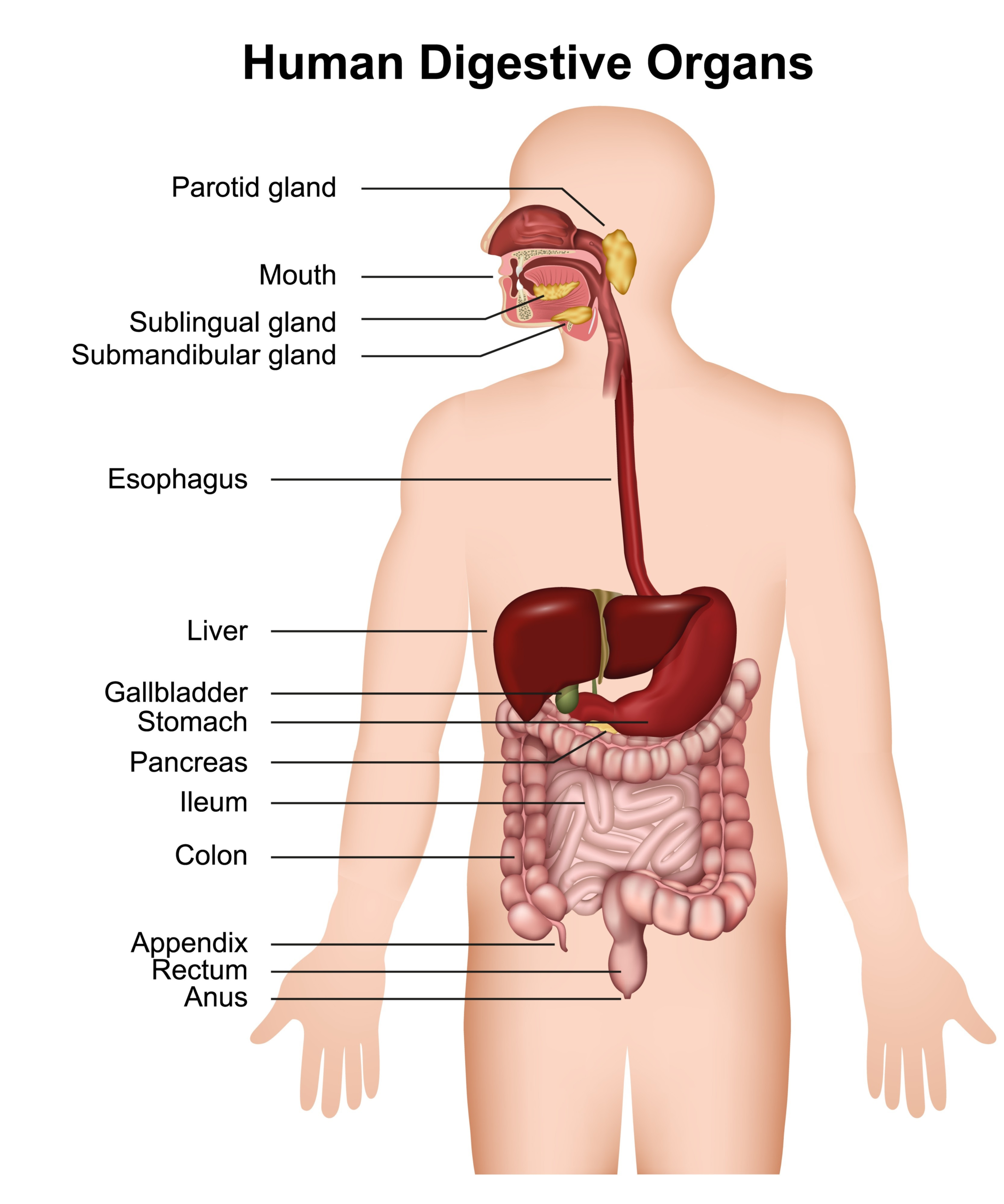
The Science of Chewable Wellness: Absorption & Bioavailability
When considering the best vitamins to take daily, the debate often settles on absorption. Research into nutritional supplements shows that the body begins breaking down gummies the moment they enter the mouth. As you chew, the supplement mixes with saliva enzymes, which can kickstart the absorption process—sometimes even faster than a traditional tablet that must wait to be dissolved in the stomach.
This high bioavailability means your body can efficiently utilize key ingredients. For example, the New Leaf Vitamin D3 & K2 Gummies are formulated to ensure these fat-soluble vitamins are primed for uptake. This is particularly vital in the UK, where the NHS recommends that everyone consider a daily Vitamin D supplement during the autumn and winter months to support bone health and immunity.
Clean Ingredients: Why Pectin is the Smarter Choice
Not all chewables are created equal. When selecting the best quality vitamins, it is crucial to look for brands that prioritize purity. Many traditional options use animal-based gelatin, but premium UK supplement brands like New Leaf Products utilize fruit-derived pectin.
Pectin is a natural fiber found in plant cell walls, making these vegan-friendly supplements a cleaner alternative. Furthermore, for those monitoring their diet, choosing sugar-free multivitamin gummies ensures you avoid unnecessary glucose while still enjoying a pleasant taste. By avoiding artificial colors and fillers, you ensure your daily habit aligns with a long-term wellness strategy.
Targeted Support: Matching Gummies to Your Life Goals
The beauty of a modern vitamin shop is the ability to customize your intake. Whether you are focusing on “Beauty from Within” or cognitive performance, there is a specific formula for you:
- Beauty & Glow: A daily routine of Biotin Gummies supports the structural proteins required for healthy hair and skin.
- Stress Management: Modern life is demanding. Ashwagandha Gummies leverage ancient adaptogens to help the body manage cortisol levels and promote Sleep & Relaxation.
- Total Body Foundation: For those who want a broad safety net, the Multivitamin Minerals Gummies provide a comprehensive blend of 16 essential nutrients.
- Superfood Boost: If you’re looking for mineral density, Sea Moss Gummies—enriched with Burdock Root and Bladderwrack—are an excellent addition to a healthy metabolism.
Best Practices: Suggestions for Daily Success
To get the absolute most out of your daily gummy routine, follow these professional suggestions:
- Timing is Key: Take your gummies at the same time every day to build a habit. Taking them with a meal can help the absorption of fat-soluble vitamins like A, D, E, and K.
- Don’t Over-Supplement: Stick to the recommended daily dose (usually 1 or 2 gummies). Excessive intake of certain minerals can be counterproductive.
- Store Correctly: Keep your bottles in a cool, dry place. Pectin-based gummies have a higher melting point than gelatin, but direct sunlight can still degrade active vitamins.
- Consult a Professional: According to Healthline’s guide on supplements, those with pre-existing conditions or those who are pregnant should always consult a GP before starting a new regimen.
How many vitamin gummies can I take a day? Most manufacturers recommend a daily serving of one or two gummies. Check the specific label on your New Leaf Products bottle, as high-strength formulas may only require one.
Can I take different types of gummies together? Yes, you can generally mix a Multivitamin Gummy with a targeted supplement like Turmeric or Apple Cider Vinegar. Just ensure you aren’t “doubling up” on the same minerals (like Zinc or Iron) across multiple products.
Are gummies as effective as traditional vitamin pills? Yes. Studies have shown that the bioavailability of gummies is equal to, and in some cases higher than, tablets because they are easier for the digestive system to break down.
Are New Leaf gummies suitable for vegans? Yes, many products in the range use fruit pectin instead of gelatin. Look for the “Vegan” seal on the product pages to be certain.
Do gummy vitamins expire? They typically have a shelf life of 12 to 24 months. Over time, the potency may decrease, so always check the “Best Before” date for maximum efficacy.
Is it safe to take gummies on an empty stomach? Gummies are generally gentler on the stomach than compressed tablets. However, for the best nutrient absorption, taking them with food is ideal.
Why should I choose sugar-free options? If you are managing your dental health or calorie intake, sugar-free gummies use natural sweeteners that don’t contribute to tooth decay or blood sugar spikes.
Can I take vitamin gummies while pregnant? You should consult your midwife or GP first. While many ingredients are safe, prenatal-specific formulas are designed with the exact levels of Folic Acid required for fetal development.
The UK’s Hidden Hunger: Bridging the 2026 Nutrient Gap
As we move through 2026, the UK faces a unique “Hidden Hunger” crisis. While calories are abundant, data from the National Diet and Nutrition Survey (NDNS) suggests that over half of Britons are operating with suboptimal levels of essential micronutrients. Factors such as soil depletion, the rise of ultra-processed foods, and our notoriously grey weather have made it increasingly difficult to meet nutritional requirements through diet alone. This is where nutritional supplements serve as a vital “insurance policy” for your health.
Taking a multivitamin gummy daily isn’t just about avoiding deficiency; it’s about optimizing physiological homeostasis. For those living in urban centers like London or Birmingham, indoor lifestyles have made Vitamin D deficiency a year-round concern, not just a winter one. By integrating a consistent, high-quality supplement into your morning routine, you provide your body with the consistent building blocks it needs for cellular repair, DNA synthesis, and long-term metabolic resilience.
Nutrient Synergy: Why “The Whole is Greater Than the Sum”
One of the most exciting areas of modern nutritional science is Nutrient Synergy—the concept that certain vitamins and minerals work significantly better when taken together. For example, taking Vitamin D3 & K2 in a single gummy ensures that the calcium absorbed by the D3 is correctly deposited into your bones by the K2, rather than accumulating in your arteries. Similarly, Vitamin C is a critical co-factor that enhances the absorption of Iron and supports the body’s natural Collagen production.
This synergistic effect is why professionally formulated gummies, such as those in the New Leaf Products collection, are so effective. Instead of taking isolated nutrients, these chewables provide a balanced “stack” that mimics the complex interactions found in whole foods. When you take a B-Complex gummy, you aren’t just getting energy support; you’re getting a team of vitamins that work together to maintain your nervous system and support cognitive function, helping you stay sharp and resilient against daily stressors.
The Power of Habit: Achieving Long-Term Health Outcomes
The most scientifically-backed supplement in the world won’t work if it stays in the bottle. Consistency is the primary driver of success in any wellness journey. Supplements are not “quick fixes” like pharmaceutical drugs; they work like a nourishing diet, gradually building up nutrient reserves in your tissues. It can take 4 to 12 weeks of consistent daily intake for your body to reach “steady-state” levels of nutrients like Omega-3s or Ashwagandha.
By choosing a format you actually enjoy—like a fruity vitamin gummy—you eliminate the friction of a “medicalized” routine. This psychological shift from a “pill” to a “treat” is often the difference between a failed health kick and a life-changing habit. Whether you are using Sea Moss for mineral density or Probiotics for gut health, remember that small, steady gains lead to the most profound long-term health outcomes.
Q: Is it okay to take vitamin gummies every day? A: Yes, it is recommended to take them daily to maintain stable nutrient levels in your bloodstream. Consistency allows your body to build “reserves” that support your immune system and energy levels around the clock.
Q: Why does the UK government suggest Vitamin D for everyone? A: Because of our northern latitude, the sun isn’t strong enough between October and March for our skin to produce Vitamin D. The NHS officially advises a daily supplement to prevent bone conditions and support overall health.
Q: Are gummies as good as tablets? A: In many cases, yes. Scientific reviews show that the bioavailability (how much you absorb) of gummies is comparable to tablets. In fact, because the breakdown starts in the mouth, some people find they absorb gummies more efficiently.
Q: Can I take gummies on an empty stomach? A: Generally, yes. Gummies are much gentler on the stomach than compressed pills. However, for “fat-soluble” vitamins (A, D, E, K), having them with a small snack or meal will further boost absorption.
Q: How do I know if my gummies are high quality? A: Look for “Pectin-based” (vegan) formulas, “Sugar-free” options, and products that are “Lab Tested” in the UK. New Leaf Products adheres to strict GMP standards to ensure potency and purity.
Q: What is the benefit of “Sugar-Free” gummies? A: Sugar-free options use natural sweeteners like maltitol. This is better for your dental health (no sugar on your teeth) and prevents blood sugar spikes, making them safer for long-term daily use.
The Ultimate Deep-Dive: Are Vitamin Gummies the Right Choice for You?
As more people in the UK look for convenient ways to support their health, the popularity of chewable supplements has skyrocketed. However, with this convenience comes a set of important questions regarding safety, efficacy, and daily habits. Below, we break down the essential facts every consumer should know.
Pros and Cons of Gummy Vitamins
Choosing between a traditional tablet and a gummy involves balancing lifestyle needs with nutritional goals.
The Pros:
- High Compliance: Because they taste great, you are far less likely to skip your daily dose.
- Ease of Use: Ideal for the millions of UK adults who suffer from dysphagia (difficulty swallowing pills).
- Faster Breakdown: Digestion begins in the mouth, often leading to efficient absorption of water-soluble nutrients.
The Cons:
- Added Ingredients: Many contain glucose syrup or sucrose, which can impact dental health. (Always look for sugar-free options).
- Lower Mineral Counts: Bulky minerals like Magnesium or Calcium are hard to fit into a gummy without ruining the texture.
- Potency Loss: Gummies can degrade faster than compressed tablets, meaning shelf life is shorter.
Safety Alert: “I Ate Too Many Gummy Vitamins—What Happens?”
One of the most common accidental occurrences is overconsumption. Because they taste like candy, it is easy to exceed the recommended limit.
I ate 4 gummy vitamins instead of 2—is it okay?
In most cases, doubling your dose once is unlikely to cause serious harm. You may experience mild stomach upset or nausea. However, you should return to the recommended daily dose immediately.
I ate 20 gummy vitamins—what should I do?
This is a more serious situation. Eating a large quantity can lead to Vitamin Toxicity (Hypervitaminosis).
- Immediate Symptoms: Severe nausea, vomiting, diarrhea, and a racing heart.
- The Risk: If the gummies contain Iron or Vitamin A, 20 gummies could be a dangerous dose.
- Action Step: In the UK, you should contact NHS 111 immediately or seek medical advice, especially if the person is a child.
Daily Habits & Efficacy
How many vitamin gummies can you eat per day?
Most high-quality supplements, like those from New Leaf Products, are formulated for a dose of two per day. Always check the label, as “High Strength” varieties may only require one.
Are gummy vitamins effective for adults?
Yes. Clinical studies have confirmed that vitamin gummies are effective for adults. For instance, the absorption levels of Vitamin D and B12 from gummies have been shown to be equal to, and sometimes better than, traditional capsules.
Is it good to take a multivitamin everyday?
For many, a daily multivitamin serves as a nutritional “safety net.” In the UK, where modern lifestyles often lead to gaps in Vitamin D and Iron, a daily supplement can support immune function and energy levels. However, they should never replace a balanced diet of whole foods.
Finding the Best Gummy Vitamins for Adults
When shopping for best gummy vitamins for adults, look for these “Gold Standard” markers:
- Pectin-Based: Better for digestion and suitable for vegans.
- Sugar-Free: Uses natural sweeteners like maltitol to protect your teeth.
- Lab-Tested: Ensures the bottle actually contains the nutrients listed on the label.
Are vitamin gummies bad for you?
Gummies are not inherently “bad,” but they can be detrimental if they are high in sugar or if they are used to justify a poor diet. By choosing clean-label products and sticking to the suggested serving, they are a safe and powerful tool for modern wellness.
Q: Can I take my gummies on an empty stomach? A: Yes, they are generally gentler than pills. However, for the best results with fat-soluble vitamins (A, D, E, K), try taking them with a meal.
Q: Why do my gummies look different after a month? A: Natural gummies can change color or texture due to humidity. This is why it is important to store them in a cool, dry place.
Q: Are gummies safe for children? A: Only if they are specifically formulated for kids. Adult gummies often have nutrient levels that are too high for a child’s smaller body.